Make An Appointment
Mon - Sat: 11:00 AM - 7:00 PM
Sunday: Closed
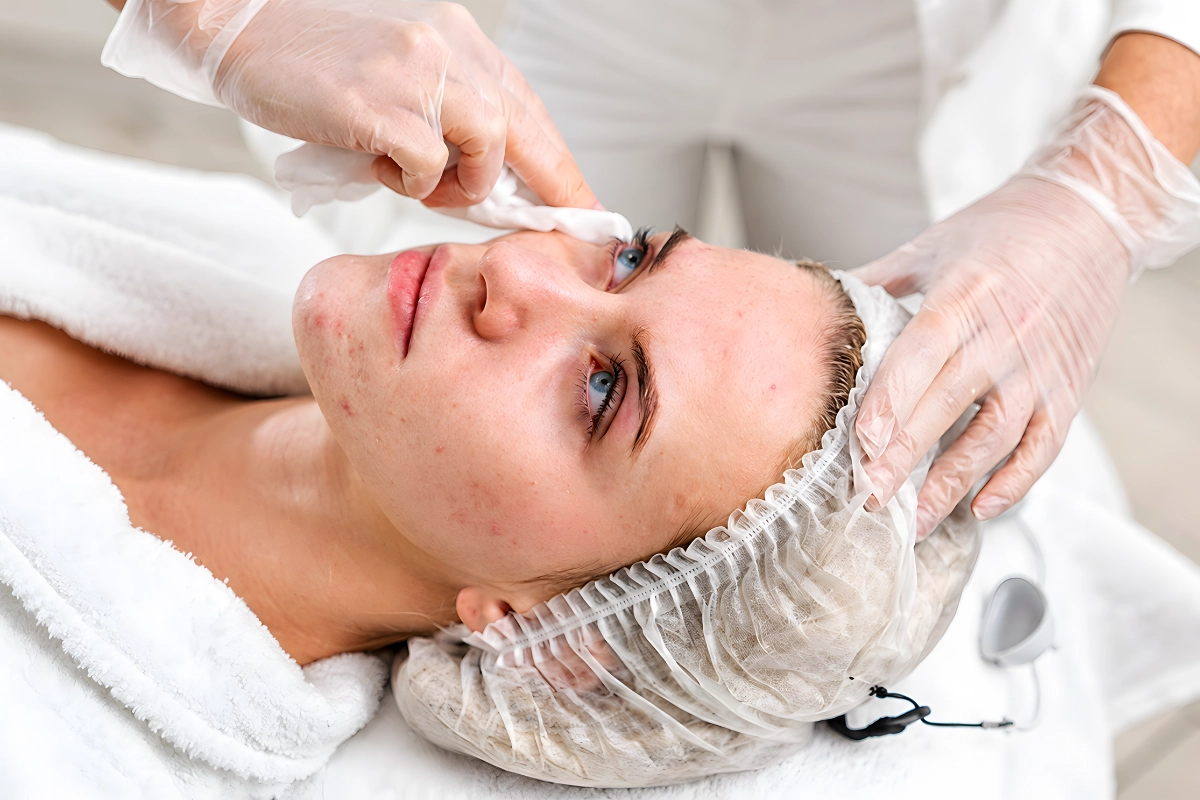
Acne is one of the most common skin concerns, but that does not mean it should be treated casually. For many patients, acne keeps coming back because the real trigger has not been identified. It may be linked to hormones, clogged pores, excess oil, stress, skincare mistakes, diet, scalp dandruff, medication, or inflammation under the skin.
The focus is not only to reduce active breakouts, but also to prevent future flare-ups, reduce marks, protect the skin barrier, and lower the risk of acne scars.
Acne is a skin condition that develops when pores become blocked with oil, dead skin cells, bacteria, and inflammation. It can appear as blackheads, whiteheads, red pimples, painful bumps, pus-filled spots, cysts, or recurring breakouts.
Acne can affect the face, back, chest, shoulders, jawline, neck, and scalp area. It is common during teenage years, but many adults also experience persistent acne, hormonal acne, stress-related acne, or acne triggered by skincare and lifestyle factors.
A lot of patients try face washes, home remedies, salon facials, or over-the-counter creams before seeing a dermatologist. These may help temporarily in some cases, but if acne keeps returning, the skin needs proper medical evaluation.
The goal of acne treatment is simple: understand why the acne is happening, control active breakouts, prevent new lesions, reduce inflammation, and protect the skin from long-term marks and scarring.Get clear and healthy skin with advanced acne treatment in Dubai designed to reduce breakouts, acne scars, and skin inflammation effectively.
You may benefit from dermatologist-led acne treatment if you have:
You should especially see a dermatologist if acne is painful, leaving marks, spreading, affecting confidence, or not improving despite consistent skincare.
Acne is not the same for every patient. Knowing the type of acne helps the dermatologist choose the right treatment.
This includes blackheads, whiteheads, tiny bumps, and clogged pores. It often appears on the forehead, nose, chin, and cheeks.
This type causes red, swollen, tender, or pus-filled pimples. It needs careful treatment to reduce inflammation and prevent marks.
Hormonal acne often appears around the jawline, chin, cheeks, or neck. It may flare before periods or continue into adulthood.
Cystic acne causes deep, painful lumps under the skin. It has a higher risk of scarring and should not be ignored.
Acne can also affect the body, especially the back, chest, and shoulders. Sweat, friction, gym clothing, hair products, and oiliness can make it worse.
After acne heals, it may leave brown marks, red marks, uneven texture, pits, or scars. Early treatment helps reduce long-term damage.
Acne treatment at Minal Medical Centre begins with a detailed consultation. The dermatologist first studies the pattern of acne, the type of lesions, the severity, the patient’s skin type, and previous treatment history.
The treatment plan is then customized based on what your skin actually needs.
The doctor examines whether the acne is mild, moderate, severe, inflammatory, hormonal, comedonal, cystic, or scar-forming.
This step is important because two patients may both have “acne,” but they may need completely different treatment plans.
The dermatologist may review possible acne triggers such as:
Once the trigger is understood, treatment becomes more focused and effective.
Depending on the severity, the doctor may recommend prescription creams, cleansers, anti-inflammatory medication, oral medicines, hormonal evaluation where required, or a structured acne-control routine.
The aim is to reduce active acne, calm inflammation, control oiliness, and prevent new breakouts.
For selected patients, clinical procedures may be recommended along with medical treatment. These may include dermatologist-guided peels, acne facials, laser-based options, light-based treatments, extraction when appropriate, or treatments to improve acne marks and texture.
Minal Medical Centre offers clinical and aesthetic acne solutions, including scar reduction, which allows acne care to address both active breakouts and post-acne concerns.
Treating acne early is one of the best ways to prevent scars. If marks or scars have already started, the doctor may suggest a separate acne scar plan once active acne is controlled.
This may include treatment for:
Acne usually needs follow-up and maintenance. Once the skin improves, the dermatologist may adjust the routine to prevent relapse.
This may include a simple skincare routine, sunscreen guidance, product correction, maintenance medicines, and advice on what to avoid.
A proper treatment plan helps reduce active acne and lowers the chances of repeated flare-ups.
When acne is controlled early, there is a better chance of preventing dark marks, red marks, and post-acne pigmentation.
Painful or cystic acne can leave permanent scars. Dermatologist-led care helps reduce this risk.
Acne treatment is based on your skin type, acne type, age, lifestyle, sensitivity, and treatment history.
Many patients unknowingly worsen acne with heavy creams, harsh exfoliants, wrong actives, or unsuitable makeup. A dermatologist can simplify your routine.
Minal Medical Centre combines clinical dermatology with aesthetic solutions, which is helpful for patients dealing with both active acne and acne scars.
Minal Medical Centre has served patients in the UAE for more than 27 years and is known for dermatology, laser, and skin-focused care in Dubai.
Acne treatment at Minal Medical Centre is provided by experienced skin specialists who assess the skin before recommending treatment.
The clinic has a dermatology team experienced in diagnosing and treating skin, hair, and nail concerns across different age groups. Dr. Shweta Singh is a Specialist Dermatologist with experience in consulting patients, identifying skin conditions, prescribing medication, and providing skin therapy treatments for both children and adults.
Minal Medical Centre also has specialist dermatology expertise through doctors such as Dr. Mahesh Kumar, who has been working as a Specialist Dermatologist in the UAE since 2012.
This specialist-led approach is important because acne treatment should not be random. It should be planned after understanding the patient’s skin, acne pattern, triggers, and long-term goals.
Many people wait for acne to “go away on its own.” Sometimes mild acne settles, but recurring acne can become more difficult to manage if ignored.
Delaying treatment may lead to:
Acne treatment works best when the skin is assessed early and managed with the right plan.
No. Acne can affect teenagers and adults. Adult acne is common and may be linked to hormones, stress, skincare products, lifestyle factors, or inflammation.
You should see a dermatologist if acne keeps coming back, becomes painful, leaves marks, causes scarring, or does not improve with basic skincare.
Yes, in many cases. Treating acne early helps reduce inflammation and lowers the risk of permanent scarring.
Acne may return if the real trigger is not treated. Common reasons include hormones, clogged pores, wrong skincare, stress, scalp dandruff, heat, sweat, or incomplete treatment.
Yes. A dermatologist can customise acne treatment based on your skin sensitivity, barrier condition, and acne severity.
Regular facials may temporarily clean the skin, but active or recurring acne usually needs medical treatment. Some facials may even worsen acne if they are not suitable for your skin.
Yes. Acne marks, pigmentation, redness, and texture changes can be treated with dermatologist-guided options once active acne is under control.
This depends on the severity and type of acne. Some patients notice improvement within a few weeks, while others need a longer plan, especially if acne is hormonal, severe, or scar-forming.

© Copyright 2026 @ Minal Medical Centre | Designed & Developed By MediGrow.ae