Make An Appointment
Mon - Sat: 11:00 AM - 7:00 PM
Sunday: Closed
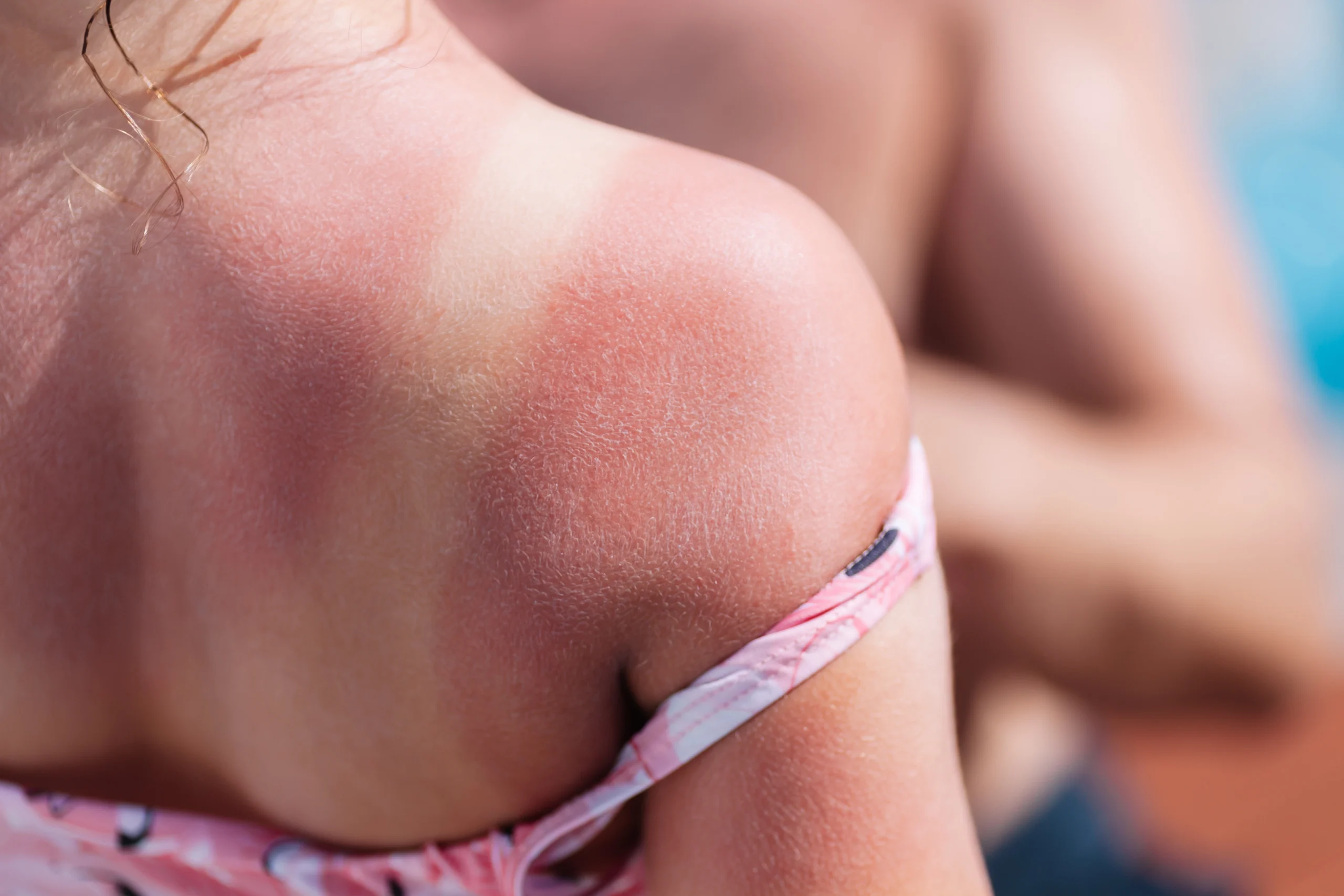
Sunburn can happen quickly in Dubai’s climate, especially after beach days, outdoor work, swimming, sports, travel, or long exposure to direct sunlight. While mild sunburn may settle with basic care, repeated or severe sunburn can damage the skin barrier, trigger sensitivity, worsen pigmentation, and increase long-term skin health risks.Sunburn treatment focuses on calming the skin, reducing inflammation, preventing complications, and guiding patients on safe sun protection.
The clinic provides medical dermatology care for skin concerns such as eczema, psoriasis, rosacea, dermatitis, ringworm, melanoma, and other skin conditions. It is also known for specialist skin, hair, nail, laser, and non-surgical aesthetic care in Dubai.
Sunburn is skin damage caused by excessive exposure to ultraviolet rays from the sun or artificial UV sources. It usually appears as redness, warmth, pain, tenderness, swelling, peeling, itching, or a burning sensation on the skin.
In Dubai, sunburn can occur faster because of strong sunlight, outdoor lifestyles, beach exposure, swimming, and heat. Even people who use sunscreen may still experience sunburn if the sunscreen is not applied correctly, not reapplied, or does not provide enough protection.Restore your skin’s natural glow with expert sun damaged skin treatment Dubai services that help reduce pigmentation, fine lines, and uneven skin texture.
Sunburn is not only a temporary redness. It is a sign that the skin has been injured by UV exposure. If it happens repeatedly, it can contribute to premature ageing, uneven skin tone, pigmentation, sun spots, skin sensitivity, and long-term skin damage.
You may need dermatologist-led sunburn care if you are experiencing:
You should consult a dermatologist urgently if sunburn is severe, blistering, very painful, spreading, associated with fever, chills, dizziness, dehydration, or if the skin looks infected.
Sunburn treatment depends on the severity of the skin damage. At Minal Medical Centre, the dermatologist first examines the skin and then recommends treatment based on whether the sunburn is mild, moderate, severe, blistering, infected, or linked with pigmentation changes.
The dermatologist checks the affected area, depth of inflammation, pain level, peeling, swelling, blisters, skin type, and risk of post-sun pigmentation.
This is important because sunburn can sometimes look simple in the beginning but may worsen over the next 24 to 48 hours.
For mild to moderate sunburn, the first goal is to reduce heat, redness, and discomfort. The doctor may recommend soothing applications, barrier-supportive skincare, hydration guidance, and medicines to reduce inflammation where needed.
Patients are also advised to avoid harsh scrubs, exfoliating acids, retinol, bleaching creams, strong actives, waxing, laser sessions, and heat exposure until the skin recovers.
If the sunburn has caused blisters, raw skin, severe tenderness, or intense inflammation, the dermatologist may recommend medical dressings, prescription creams, anti-inflammatory treatment, infection prevention, or other supportive care.
Blisters should not be picked or broken at home because this can increase the risk of infection and scarring.
After sunburn, the skin barrier becomes weak. This is why the skin may feel tight, dry, itchy, rough, or sensitive.
The dermatologist may guide you on gentle cleansers, moisturisers, barrier-repair products, and the right sunscreen to use once the skin begins to heal.
Some patients develop dark patches, uneven tone, tanning, or post-inflammatory pigmentation after sunburn, especially if the skin is darker, sensitive, or prone to pigmentation.
Once the skin has healed, the doctor may recommend a separate pigmentation or skin rejuvenation plan if needed. Minal Medical Centre offers facial solutions to brighten, lighten, and tighten the skin, along with acne and pigmentation-related care.
Sunburn treatment is incomplete without prevention. The dermatologist may advise on the right sunscreen strength, reapplication schedule, protective clothing, timing of outdoor exposure, and after-sun care.
This step is especially important for patients living in Dubai, where sun exposure is a daily concern.
Medical care can help reduce burning, redness, tenderness, itching, and irritation more safely.
Severe sunburn or blistering sunburn can create openings in the skin. Proper care helps reduce the risk of infection.
A dermatologist can guide the skin back to recovery without worsening sensitivity, dryness, or peeling.
Sunburn can trigger dark patches, uneven tone, and worsening pigmentation. Timely care helps reduce this risk.
If you already have eczema, rosacea, melasma, acne, or photosensitive skin, sunburn needs more careful management.
Minal Medical Centre has served UAE clients for over 27 years and provides skin care through experienced dermatology professionals.
The clinic is known for specialist skin, hair, nail, laser, medical dermatology, rheumatology, and non-surgical aesthetic treatments, with two clinics in Dubai.
Sunburn treatment at Minal Medical Centre is provided by experienced dermatology specialists who assess the skin condition before recommending treatment.
Dr. Minal Patwardhan Andrade started Minal Medical Centre in 1997 and is recognised for her dermatology and laser expertise, including introducing dermatological laser hair removal in the UAE in 1997.
The team also includes specialist dermatologists such as Dr. Seema Satyapal Singh, who has been working in the UAE since 2005 and has expertise in dermatology, venereology, leprology, cosmetology, injectables, and dermatopathology.
For sun-related skin concerns, this medical experience matters because redness, peeling, pigmentation, sensitivity, and photosensitivity need proper clinical assessment rather than random product use.
Mild sunburn may improve with basic care, but some signs need medical attention.
You should see a dermatologist if you have:
Trying too many home remedies, lemon, toothpaste, harsh scrubs, or strong creams can irritate the skin further. Sunburned skin needs calm, gentle, and medically suitable care.
Mild sunburn may settle in a few days, but severe or repeated sunburn can damage the skin, cause blistering, worsen pigmentation, and increase long-term skin risks.
You should consult a dermatologist if the sunburn is painful, blistering, swollen, spreading, not improving, or causing pigmentation, itching, or sensitivity.
Yes. Sunburn can trigger tanning, dark patches, uneven skin tone, and post-inflammatory pigmentation, especially in skin that is prone to pigmentation.
No. Do not peel or scrub sunburned skin. Let the skin shed naturally. Picking can delay healing and increase irritation or marks.
No. Avoid retinol, exfoliating acids, scrubs, bleaching creams, and strong actives until the skin fully heals. These can worsen irritation.
Sunscreen reduces the risk, but it must be applied correctly and reapplied regularly. Protective clothing, shade, and avoiding peak sun hours are also important.
Yes. Children can get sunburn, and their skin needs careful treatment. Severe sunburn in children should be checked by a doctor.
No. Laser, peels, facials, waxing, and active treatments should usually be avoided until the skin has fully recovered and your dermatologist confirms it is safe.

© Copyright 2026 @ Minal Medical Centre | Designed & Developed By MediGrow.ae