Make An Appointment
Mon - Sat: 11:00 AM - 7:00 PM
Sunday: Closed
Not every patient comes to a dermatologist knowing the exact name of their condition. Sometimes it starts with itching, redness, a rash, sudden bumps, dry patches, pigmentation, hair fall, nail changes, or a skin concern that simply does not feel normal.
A general dermatology consultation helps identify what is happening, why it may be happening, and what treatment is suitable for your skin.
General dermatology focuses on the diagnosis, treatment, and management of common and complex skin, hair, nail, and scalp conditions.
It includes concerns such as rashes, itching, allergies, acne, eczema, psoriasis, fungal infections, pigmentation, mole checks, scalp problems, hair fall, nail infections, sensitive skin, and recurring irritation.
For many patients, the main challenge is not knowing whether the concern is minor or something that needs medical attention. A dermatologist can examine the skin properly, understand the pattern, check possible triggers, and recommend the right treatment instead of relying on guesswork or repeated over-the-counter products.
The purpose of general dermatology is simple: to treat the skin concern correctly from the beginning and prevent it from becoming worse, spreading, recurring, or leaving marks.
You may need a dermatology consultation if you are experiencing:
A consultation from a dermatologist in Dubai, is especially important if the condition is spreading, painful, recurring, bleeding, changing in appearance, affecting sleep, or not improving with basic care.
General dermatology covers a wide range of concerns. Some patients need treatment for a clearly visible skin condition, while others need help understanding what the concern actually is.
Rashes may be caused by allergy, eczema, infection, heat, friction, medication reactions, autoimmune concerns, or irritants. A dermatologist helps identify the reason before starting treatment.
Acne can affect teenagers and adults. It may appear as pimples, blackheads, whiteheads, painful bumps, or acne marks. Early treatment can help reduce marks and scarring.
Persistent dryness, itching, redness, and flare-ups may need medical care, especially when moisturisers are not enough.
Psoriasis can cause recurring flaky patches, thick scaling, redness, scalp involvement, and nail changes. It needs long-term management.
Dark spots, melasma, tanning, sun spots, post-acne marks, and uneven skin tone need proper diagnosis before treatment.
Skin infections may appear as itching, redness, scaling, ring-shaped patches, boils, pus-filled bumps, or spreading irritation.
Hair fall, dandruff, scalp itching, thinning, patchy hair loss, and scalp inflammation may need dermatology evaluation.
Nail infections, discoloration, brittleness, thickening, lifting, or pain around the nail should be assessed properly.
Any changing mole, new growth, bleeding spot, or unusual skin lesion should be checked by a doctor.
General dermatology treatment starts with diagnosis. Once the cause is clear, the treatment becomes more focused and effective.
The consultation begins with understanding your concern in detail. The dermatologist may ask when it started, how it has changed, whether it itches or hurts, what makes it worse, and what treatments you have already tried.
This conversation is important because skin conditions often have triggers that patients may not connect immediately.
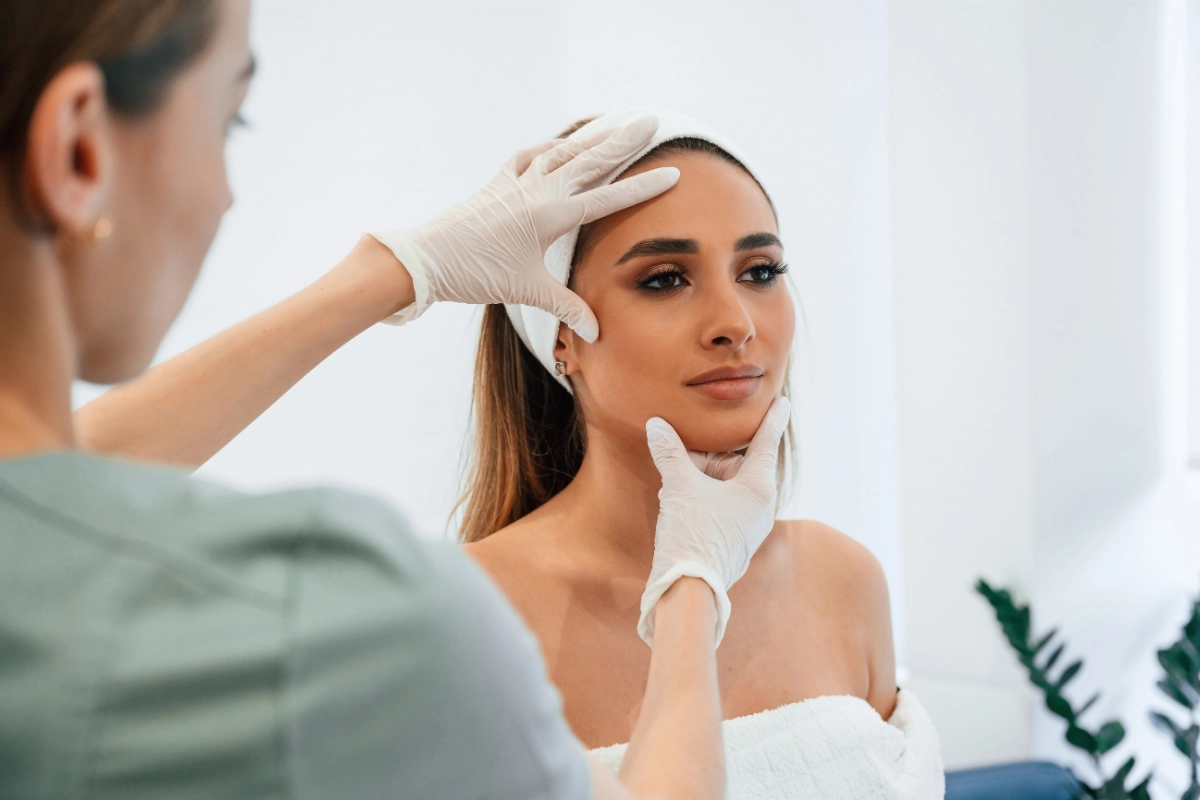
The doctor examines the affected area closely. Depending on the concern, the dermatologist may check the skin, scalp, hair, nails, or surrounding areas.
The pattern, colour, texture, location, and severity of the concern can give important clues about the diagnosis.
In many cases, the diagnosis can be made during consultation. In some cases, the doctor may recommend tests, skin scraping, blood work, allergy evaluation, dermoscopy, biopsy, or further specialist assessment.
This is especially useful when the concern is recurring, unusual, severe, or not responding to previous treatment.
Treatment depends on the diagnosis. It may include prescription creams, oral medication, medicated shampoos, lifestyle guidance, skincare correction, infection treatment, anti-inflammatory care, hair and scalp treatment, nail treatment, or minor dermatological procedures where required.
Minal Medical Centre provides dermatology and surgical procedures along with medical and aesthetic skin services, allowing patients to receive condition-specific care under one roof.
A dermatologist may also guide you on daily skincare, sunscreen, moisturiser, cleanser, product use, hygiene, trigger avoidance, and when to stop certain products.
This step is helpful because many skin problems become worse due to unsuitable skincare or delayed medical care.
Some conditions settle quickly. Others, such as acne, eczema, psoriasis, pigmentation, hair fall, and scalp concerns, may need follow-up.
Follow-up helps the doctor check progress, adjust treatment, prevent recurrence, and support long-term skin health.
Instead of guessing or trying multiple products, you get a proper medical opinion about what is happening to your skin.
Early treatment can help prevent spreading, worsening, infection, pigmentation, scarring, or long-term discomfort.
Dermatology care can help reduce itching, redness, irritation, pain, swelling, flaking, and sensitivity.
General dermatology is not limited to facial skin. It also covers scalp, hair, nails, body skin, infections, allergies, and recurring skin problems.
Treatment is planned according to your skin type, concern, medical history, lifestyle, age, and previous treatments.
Many patients use too many products or the wrong products. A dermatologist can simplify the routine and recommend what is suitable.
Chronic or recurring skin concerns need more than temporary relief. A proper plan helps manage flare-ups and prevent repeated irritation.
General dermatology consultations at Minal Medical Centre are provided by experienced dermatology professionals who treat skin, hair, and nail concerns across different patient needs.
The clinic’s medical team includes specialists with expertise in dermatology, cosmetology, skin therapy, lasers, pigmentation, acne scars, rejuvenation, and hair-related treatments. Dr. Aishwarya Patil’s profile mentions experience in treating individuals with different skin types and various skin, hair, and nail concerns.
This matters because many skin concerns look similar but need different treatment. For example, a rash may be eczema, fungal infection, allergy, psoriasis, or irritation. A dermatologist-led consultation helps avoid wrong treatment and delayed recovery.
You do not need to wait until a skin concern becomes severe. You should book a consultation if:
Skin concerns are easier to manage when they are diagnosed early.
A general dermatologist treats skin, hair, nail, and scalp concerns, including acne, eczema, psoriasis, rashes, infections, pigmentation, hair fall, nail disorders, allergies, and skin growths.
You should book a consultation if your skin concern is recurring, spreading, painful, itchy, changing, leaving marks, or not improving with basic care.
Yes. Dermatologists assess hair fall, scalp conditions, dandruff, patchy hair loss, thinning, and other hair-related concerns.
Yes. Nail discoloration, thickening, brittleness, lifting, infection, or pain around the nail can be assessed by a dermatologist.
No. Many skin conditions can be diagnosed during consultation. Tests may be recommended only when needed.
Some mild concerns may improve with basic care, but repeated use of random creams can sometimes worsen the condition or hide symptoms. It is better to see a dermatologist if the issue is persistent or recurring.
Yes. A dermatologist can check whether the sensitivity is due to eczema, rosacea, allergy, barrier damage, product irritation, or another skin condition.
No. Dermatology care is useful for children, teenagers, adults, and elderly patients, depending on the concern.

© Copyright 2026 @ Minal Medical Centre | Designed & Developed By MediGrow.ae